Honeymoon Adventures on The Big Island of Hawaii
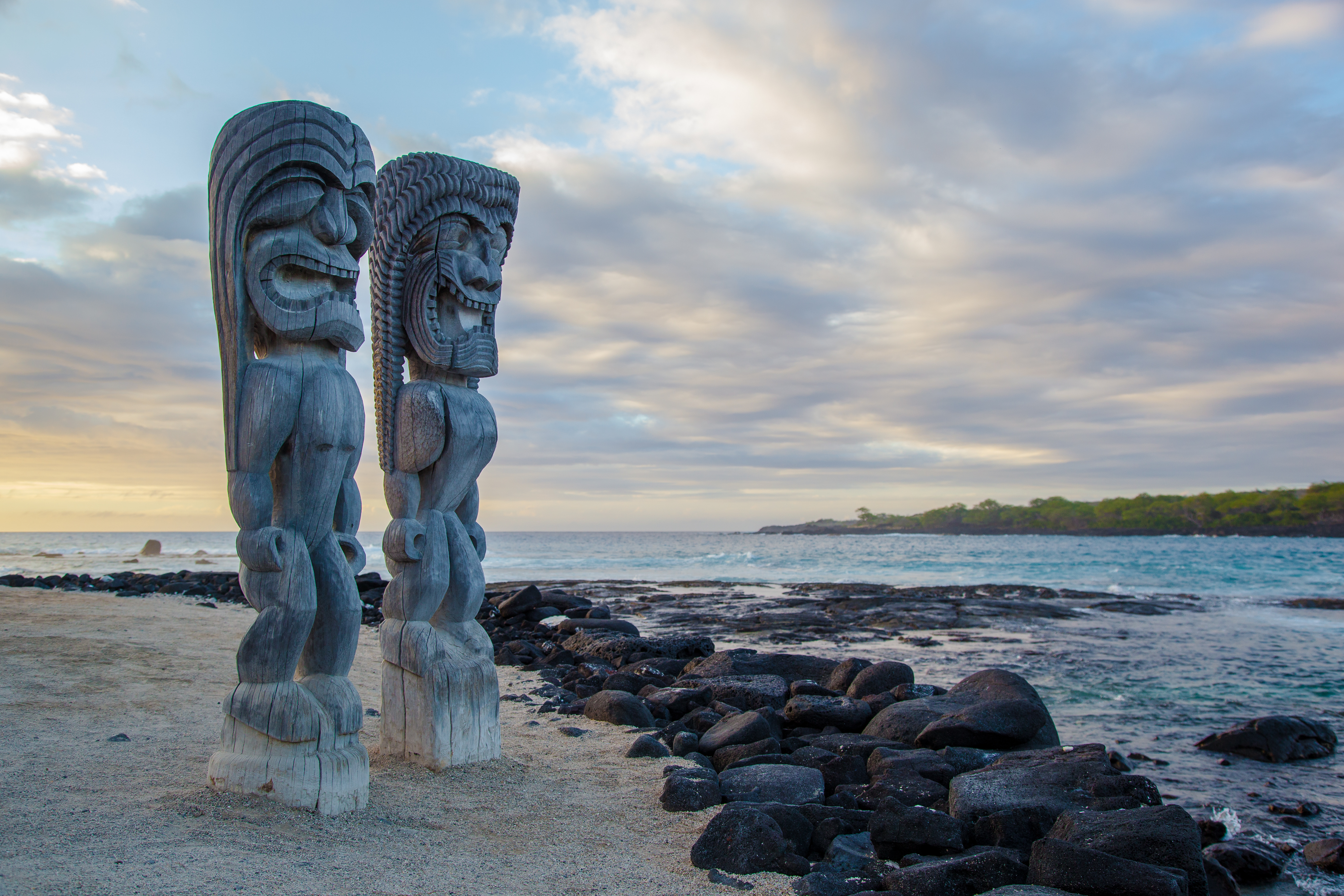
the Big Island of Hawaii is not your typical Hawaiian Honeymoon for first timers to Hawaii. The Island is often overlooked, but has been getting more attention lately especially since it is one of the more affordable Hawaiian Honeymoon Islands.
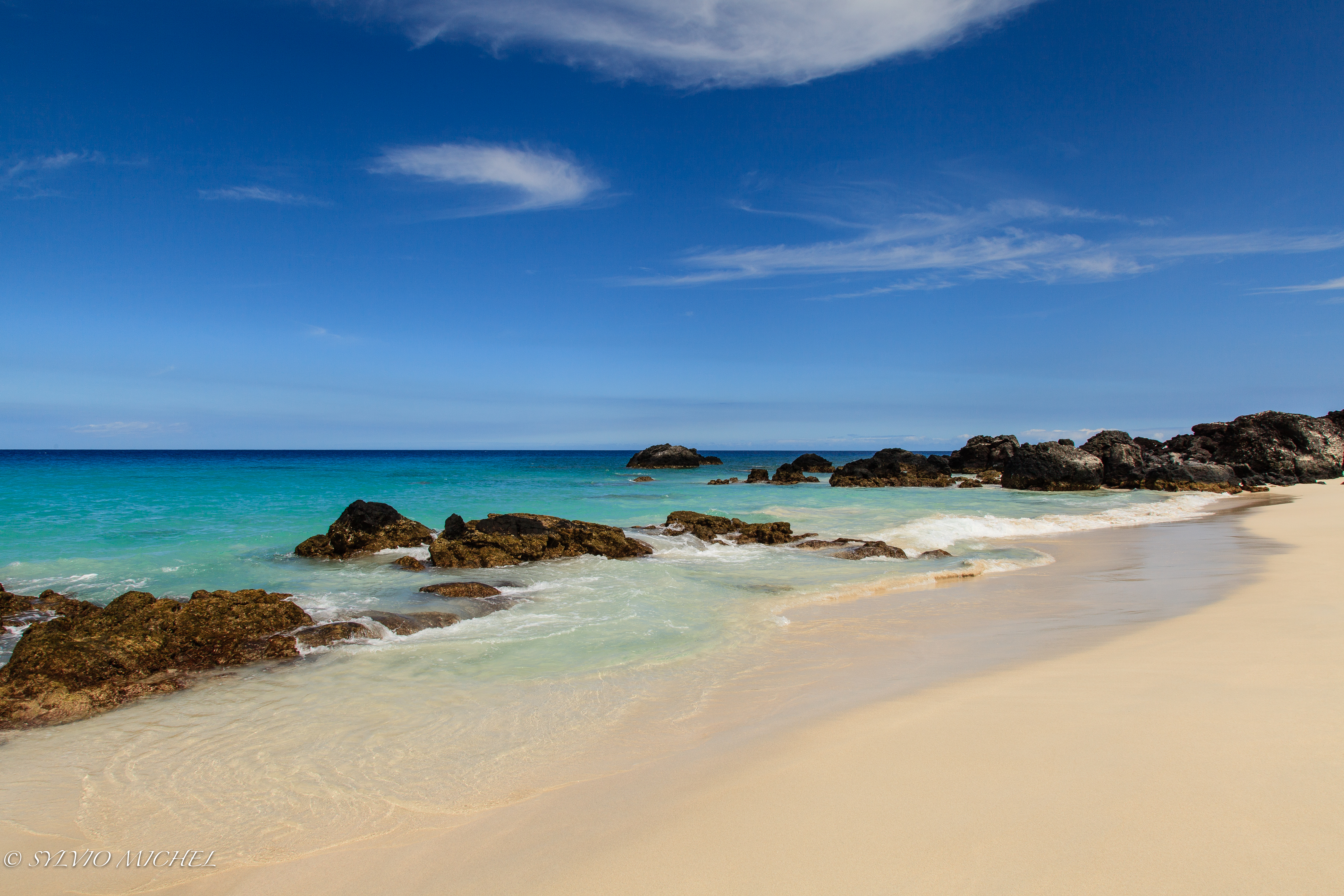
The island of Hawaii is twice as big as all of the other Hawaiian Islands combined (hence, its nickname, “Big Island”), its sheer size is awe-inspiring. What is unique about the Big Island of Hawaii is that couples can travel through all but four of the world’s different climate zones here, ranging from Wet Tropical to Polar Tundra, a result of the shielding effect and elevations of the massive volcanoes Maunakea and Maunaloa. ( there is a resort called the Mauna Kea Resort which is located on the islands top beach, and has a lot of history going back to when Nelson Rockefeller first caught a glimpse of the beach from his plane and decided he needed to build a hotel on that exact spot!)
From the many geological features at Hawaii Volcanoes National Park to the snow-capped heights of Maunakea; from the lush valleys of the Hilo and Hamakua Coasts to the jet-black sands of Punaluu Beach, the island of Hawaii is an unrivaled expression of the power of nature.
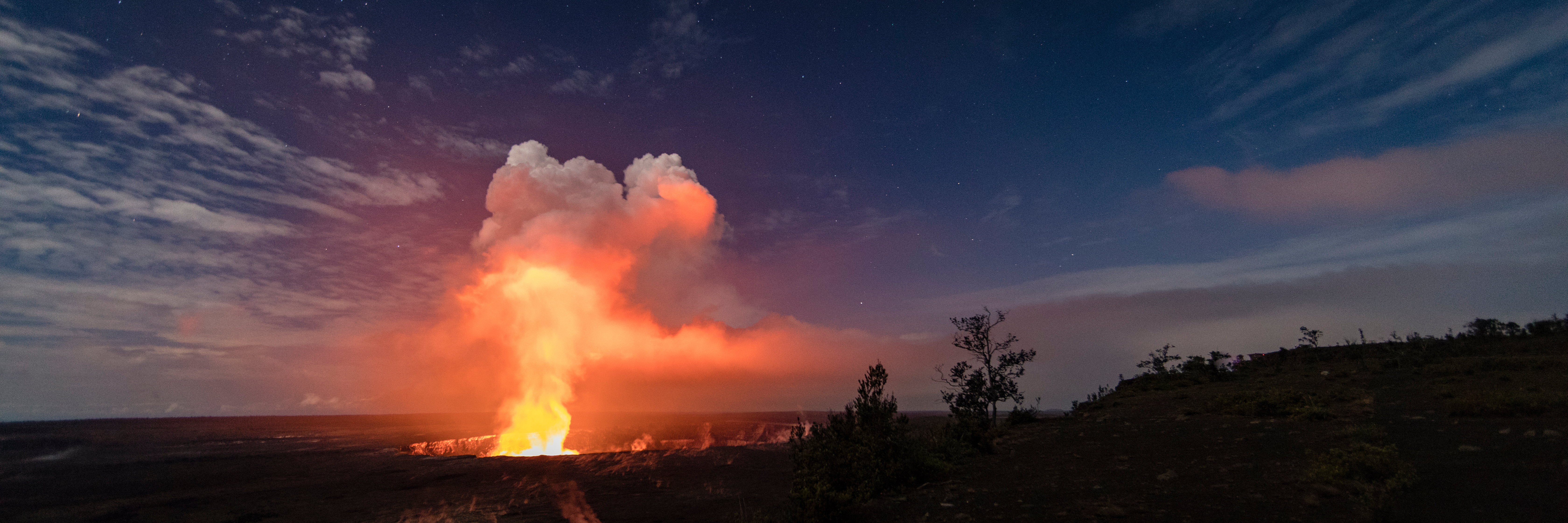
VOLCANOS NATIONAL PARK
Plan to spend an entire day when you go to Hawaii Volcanoes National Park unless you’re staying on the Hilo side. It will take you approximately 3 hours to get there from Kona. You can take the northern route or the southern one, depending on what other stops you may care to make. Start your tour of the Volcano with a stop at the Kilauea Visitor Center for some great information, maps, and even a short movie. This is also where you will secure your permits for overnight camping. We highly recommend you take the Crater Rim Drive (11 miles) around the caldera. There is also the Chain of Craters Road (50 miles) if you have more time. The Jagger Museum and the Thurston Lava Tube are two more great stops.
Snorkel with the Manta Rays
Participate in a feeding frenzy in the warm waters of the Pacific Ocean, in the darkness of night, with creatures as large as 16 ft. across and weighing 1,000 lbs. The Travel Channel named this particular tour one of the 10 things you must do in your lifetime, and for good reason. Our Night Manta Experience is a unique and singular experience and this is the only place on the entire planet you can do it at night. ( Seaquest Manta Ray Tour )
Kealakekua Bay – Captain James Cook landed here in 1778
Kealakekua bay is a place of both great natural beauty and historical significance on the Big Island.
12 miles south of Historic Kailua Village (Kailua-Kona) , Kealakekua Bay is a Marine Life Conservation District perfect for snorkeling, scuba diving and kayaking. The unique bays waters are full of bright coral and schools of tropical fish, sometimes you can even see dolphins swimming in the bay.
Kealakekua Bay is an important historic location because it marks the site where Captain James Cook, landed on island of Hawaiʻi. Cook was the first British explorer to establish contact with the Hawaiian Islands in 1778 on Kauaʻi.
unfortunately one year later, Captain James Cook was killed in a skirmish with local Hawaiians in Kealakekua Bay. A white obelisk on the shore of Kealakekua Bay State Historical Park memorializes his death.