The Island of Grenada
An Idyllic Caribbean Honeymoon Paradise
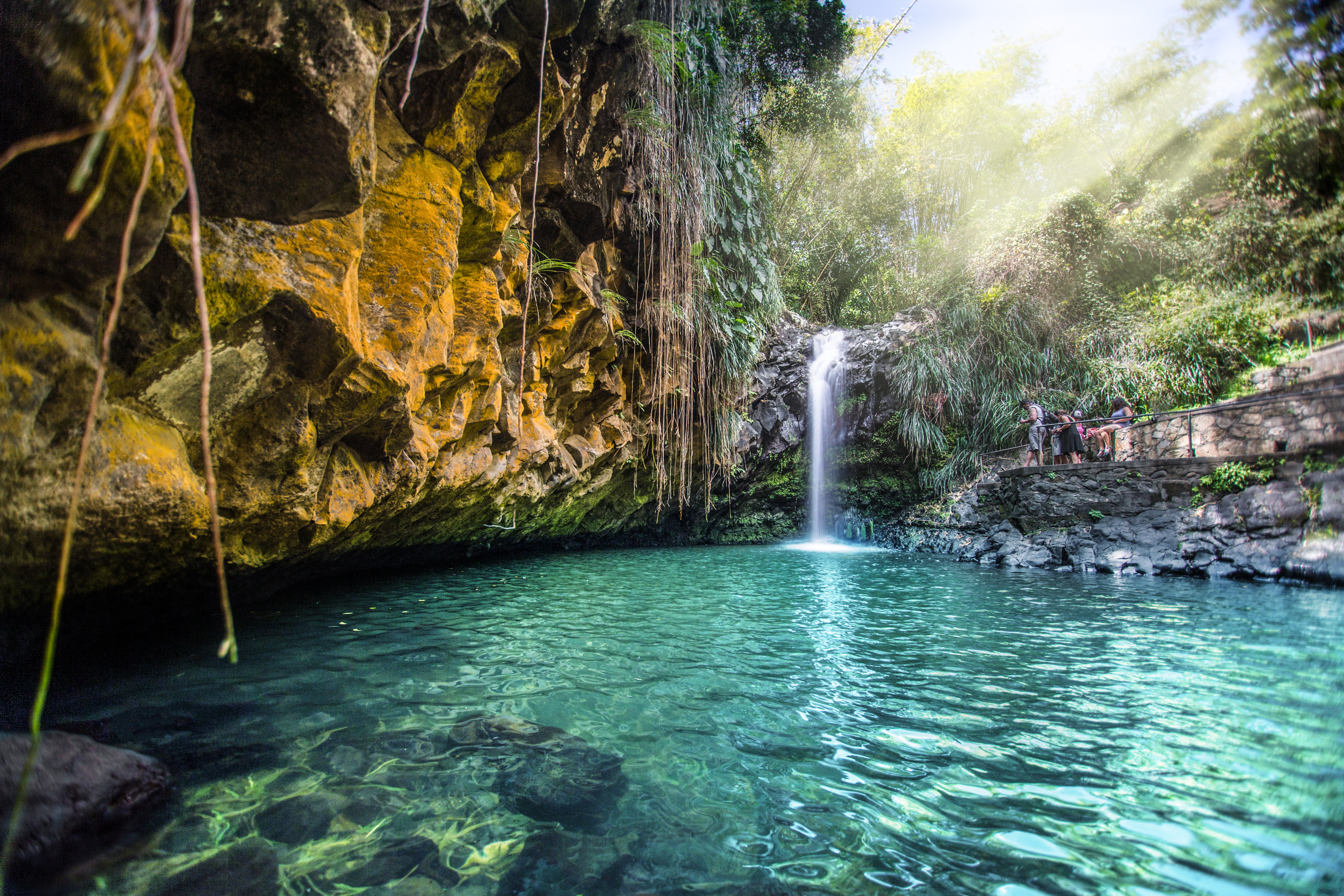
Ah, Grenada: lush and Green. Grenada is a rolling, mountainous island, covered with fragrant spice trees and rare tropical flowers. Bordered by stunning beaches, and dotted with picturesque towns, this verdant island has long been a major source of nutmeg, cloves, ginger, cinnamon, and cocoa. The seductive drifts through the colorful Saturday markets and Grenada’s dense forests. In the interior of this volcanic island are cascading rivers and waterfalls, lush rainforests, and one of the most breathtakingly beautiful mountain lakes imaginable. The capital, St. George’s, is widely held to be the loveliest city in the Caribbean. Its horseshoe-shaped harbor is surrounded by a pastel rainbow of dockside warehouses and the red-tiled roofs of traditional shops and homes.
Grenada offers Lush Landscape, waterfalls, hiking & gorgeous beaches
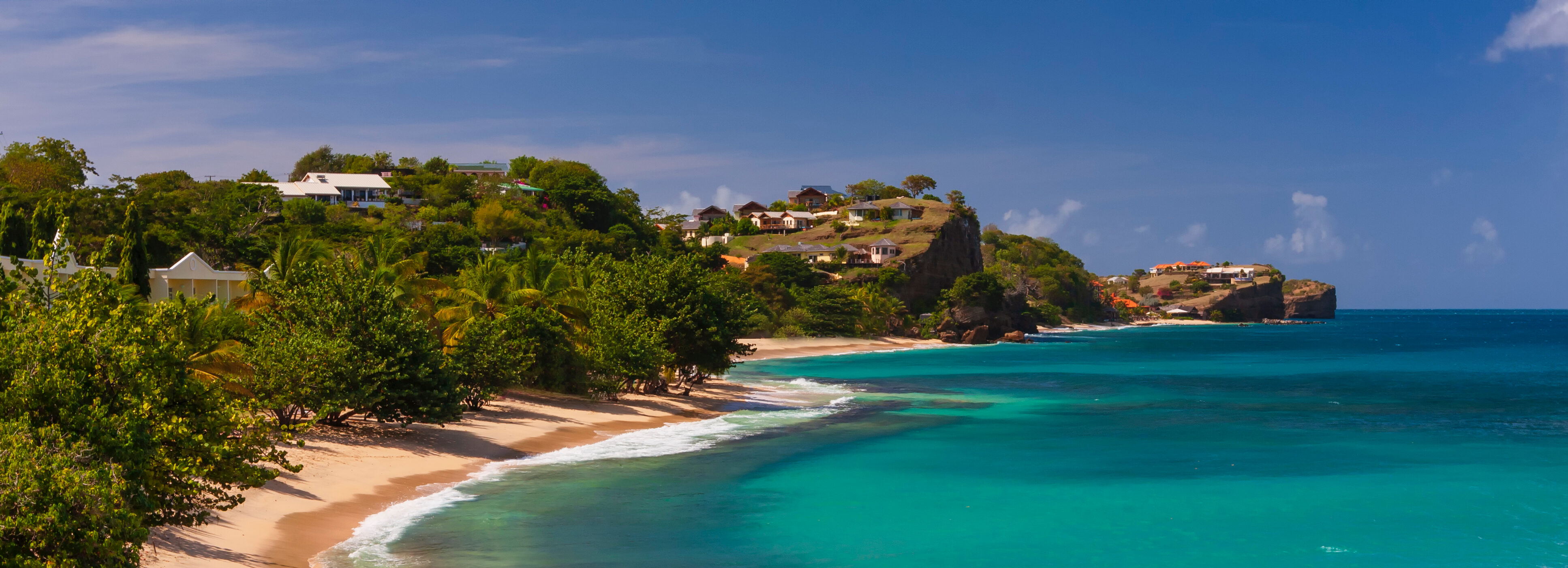
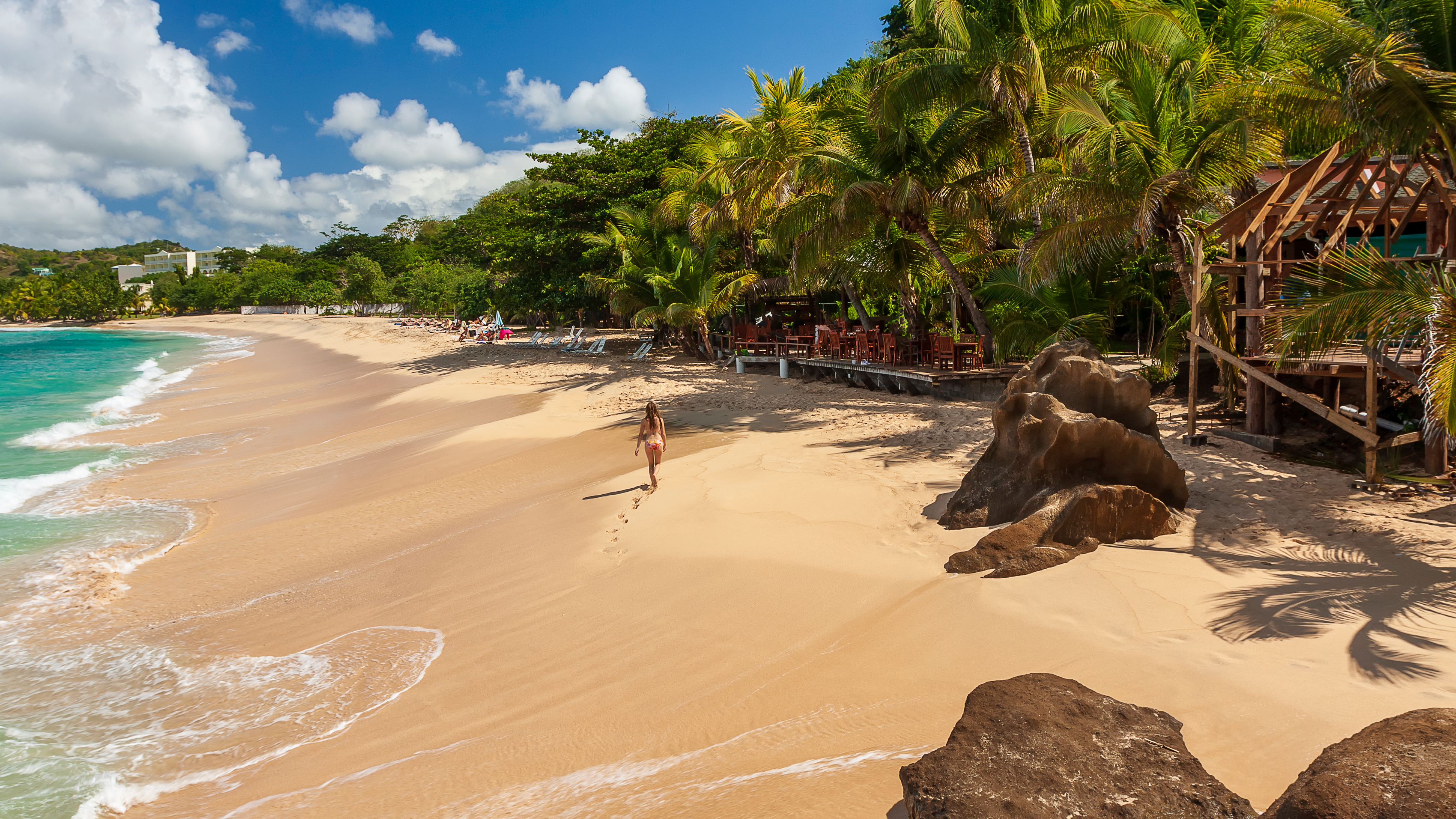
For many visitors, of course, the measure of any island is taken by its beaches and coral reefs, and Grenada offers plenty of both. The island is ringed with miles of picture-perfect strands, including both entrancing black and sugar-fine white sand beaches. Grand Anse Beach, a smooth expanse stretching for two miles around the curve of a gentle bay, is world-famous. Grenada has plenty to offer those interested in offshore pleasure as well, with easily accessible and pristine reefs off the coast of both Grenada and its sister island, Carriacou.
Grenada Geography
This small nation consists of three islands: Grenada, Carriacou, and Petit Martinique. Grenada is by far the largest of the three, with a width of twelve miles (18 km) and a length of twenty-one miles (34 km). Its 133 sq. miles (440 sq. km.) are mountainous, volcanic terrain, reaching heights of over 2,750 feet atop Mount St. Catherine. This topography provides Grenada with one of the loveliest and most varied environments in the Caribbean, including crater lakes as well as a startling variety of plant and animal life. Dwarf forests high atop Mount St. Catherine descend to the montane rainforests of middle altitudes, which give way in turn to the dry forests of the lowlands. Those forests shift to mangrove at the coast, giving way to stunning white sand beaches, brilliant blue water, and exquisite coral reefs.
Grenada Location
The three islands of Grenada are located in the Eastern Caribbean at the southern extremity of the Windward islands, only 100 miles north of Venezuela. To the north lie St. Vincent and the Grenadines; to the south Trinidad and Tobago.
The climate of Grenada
Average temperatures range from 24C/75F to 30C/87F, tempered by the steady and cooling trade winds. The lowest temperatures occur between November and February. Because of Grenada’s remarkable topography, the island also experiences climate changes according to altitude. The driest season is between January and May. Even during the rainy season, from June to December, it rarely rains for more than an hour at a time and generally not every day.
People of Grenada
Grenada’s population numbers about 93,000, comprising citizens of African, East-Indian, and European descent. The largest proportion of the population, about 75%, is of African descent.
Grenada Nightlife
Several bars and most hotels provide some form of entertainment, including Steel Band Music. Other nighttime offerings include folk music, drama, and cultural performances. Grenada’s musical calendar features several events for jazz enthusiasts, which are scheduled on short notice, so be on the lookout while you’re there. The Village Hotel, near Grand Anse Beach, has Wednesday night jazz sessions, with local and visiting musicians and recorded music; the Grenada Jazz Society holds concerts several times a year at hotels and other venues, and the Hall of Fame Jazz Assembly has Sunday outdoor performances at the Botanical Gardens.